By Chloe Wilson
22nd of November 2019
How might we predict the future of fashion? Throughout more recent times over the 20thcentury fashion trends have seemed to be cyclic and the reinvention of trends in previous times present themselves in often a more daring or funkier form. I have been blessed to have both a mother and grandmother who dearly loved quality fashion and have kept in bags and boxes many of their garments from previous times. This has possibly led me to my love of fabric and fashion. The oldest outfits include wraps, woollen cardigan’s, and woollen and silk suits from the 1960s. I marvel that these beautifully made garments are still in fine form with little sign of wear or damage.
The garments made from natural fibres have stood the test of time. Woollen coats, felt hats, viyella skirts and the linen and cotton sundresses. In our current world of disposable goods, it is a real joy to wear vintage and quality and a garment which was purchase with careful consideration and love. I believe we are trending towards quality over quantity, purchases which one truly loves over that random impulse buy.
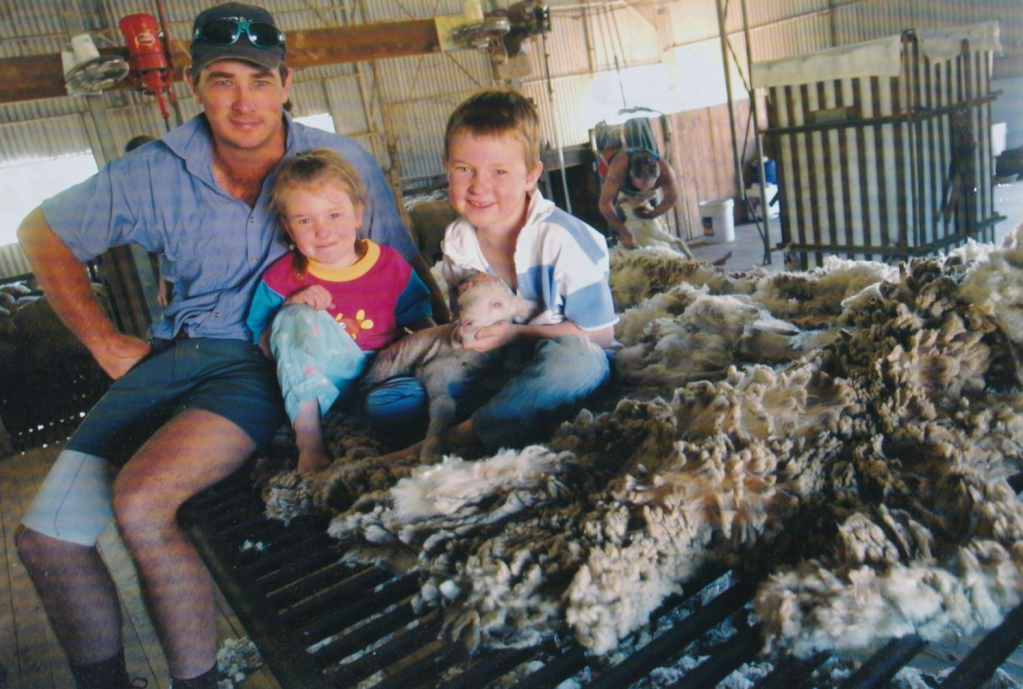
As a society we are becoming more aware of our environment and the impact our choices have on its stability and future. Like the current move towards organic and seasonal food, consumers are now considering their own health and the health of their environment. I believe like the foods we eat; we are now trending towards the desire to also dress ourselves in sustainable and renewable garments. Wool meets all the standards for a quality and versatile fibre. My father who has been a farmer all his life has gone from grazing merino sheep as a young boy, to growing cotton as a young man and now over the last 18 years has made the decision to follow his roots and again graze merino sheep for wool production. With Dads holistic management practices, he has managed to reduce the impact of this current drought by adopting rotational grazing and encouraging regeneration of native perennials pastures. His core stock remains in fine form and is still producing strong offspring and quality wool.
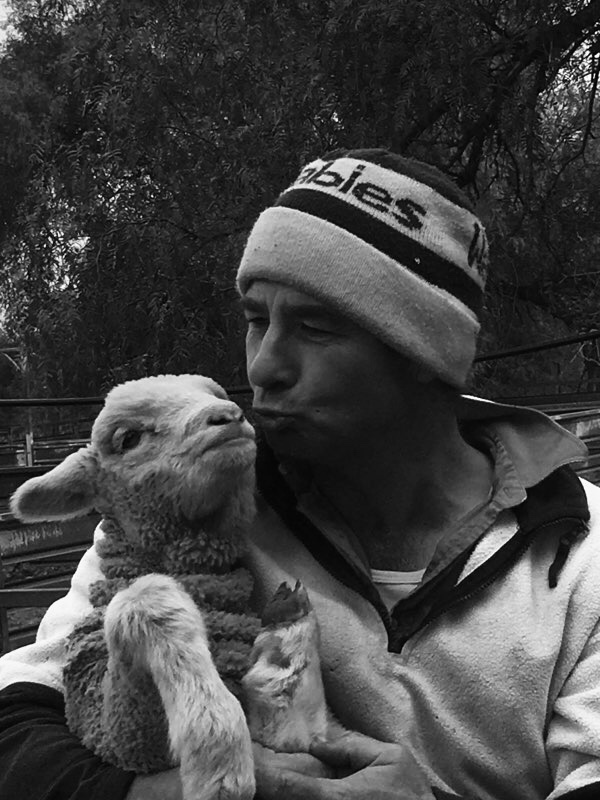
I would like to see a trend in fashion where the consumer becomes more in tune with the farmer. How can we make the consumer aware of the story, of the background and history and of the production of this fine 19micron wool fibre? Merino wool is a fibre made from the simple combination of grass, sunlight and water. It is renewable and biodegradable. Wool is a versatile fibre that can be recycled, re styled and last throughout many years so long as some love and attention is put into its product care.
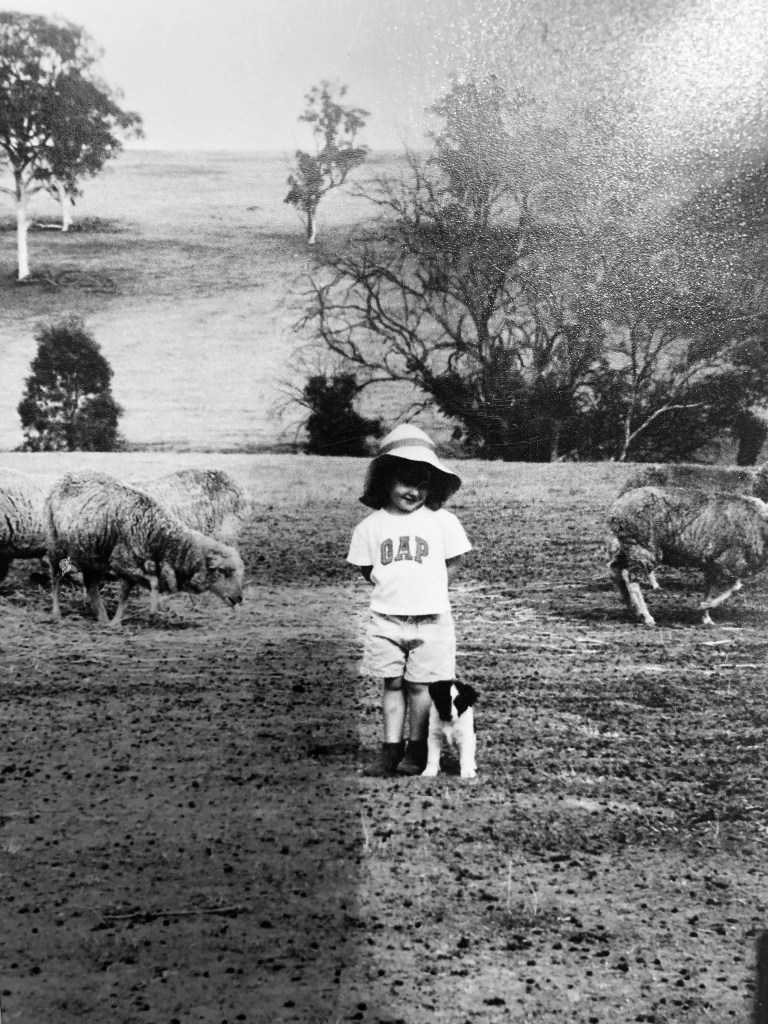
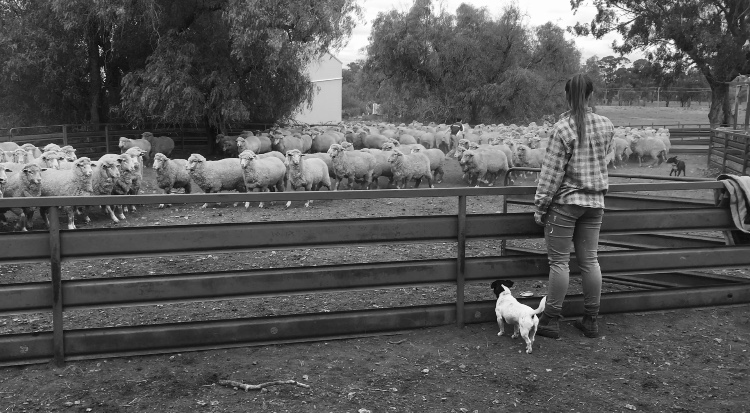
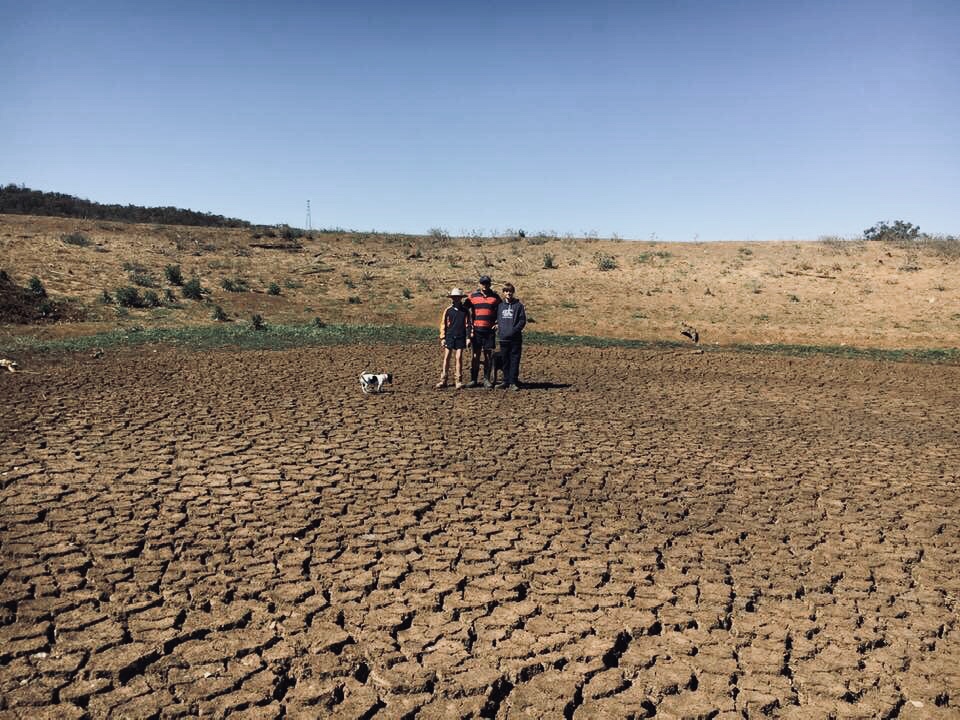
As a fashion student with roots that tie strongly to wool production, I will be an advocate and hopefully an innovator in bringing wool fashion centre stage and first in choice for the fashion-conscious consumers. A consumer who is fashion conscious, yet contentious about their purchases, the story behind production, the love of their garment and the dedication to be sustainable in a fragile environment which is challenged by climate change and consumerism. Currently via social media platforms there is a movement to buy local. Buy from the bush (#buyfromthebush) is an initiative during this current drought which has evolved to encourage consumers to buy quality products from local producers.
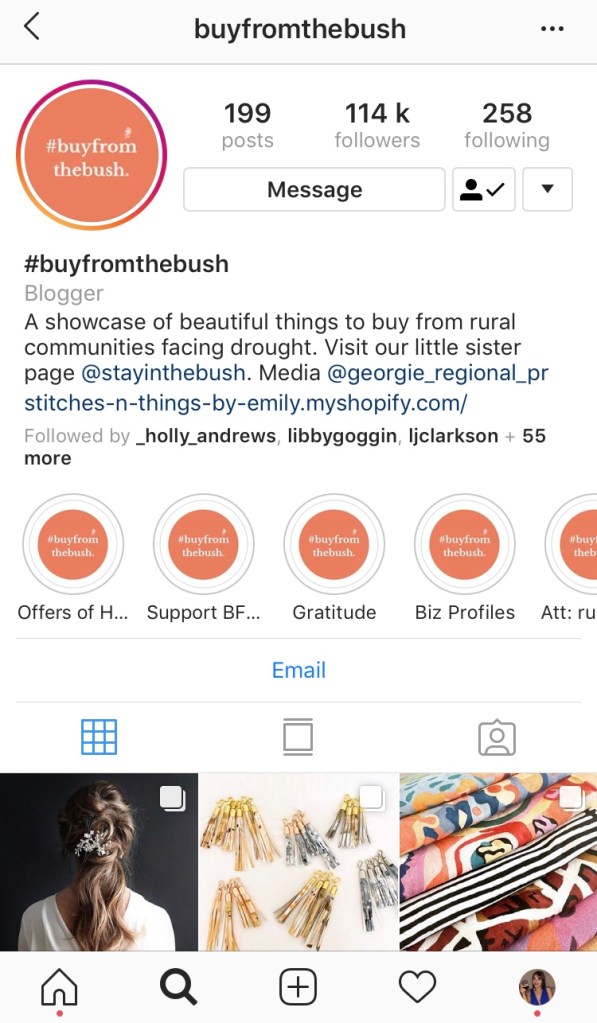
People are stepping up to the mark and buying quality products, made in Australia and from fibres such as wool to support the small local businesses. I believe and hope that more consumers will embrace this trend. With more awareness we can make this movement reach national and global popularity. My goal for the future of fashion is that we make that purchase based not on quantity but based on the fact that we love the product, feel good wearing it from both a fashion and ethical perceptive. And to know that with love and care, these beautiful fashion purchases can be handed down and in some way be reinvented or loved and enjoyed for what they are by future generations.
 Site Title